
Ultimate Foundation Repair Products For Restoring Structural Confidence
Explore proven repair products that help stabilize and reinforce your foundation for lasting peace of mind.
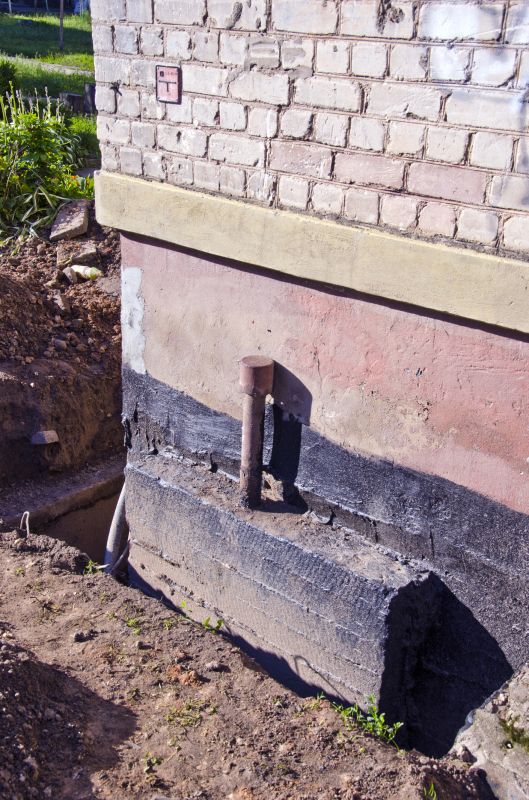 Foundation repairs are essential for maintaining the stability and safety of a building structure. When issues such as settling, cracking, or uneven floors arise, selecting the appropriate products can help address these concerns effectively. Various repair options are available, each suited to different types of foundation problems and soil conditions. Understanding the features and applications of these products can assist homeowners and contractors in making informed decisions. It is important to consider the specific needs of the property, the severity of the foundation issues, and the long-term durability of the repair solutions.
Top Overall Option
Polyurethane Foam Injection System
Polyurethane foam injection systems are versatile and effective for addressing minor to moderate foundation settling and cracking. They work by expanding beneath the foundation to lift and stabilize the structure, filling voids and restoring support. These systems are relatively quick to install, minimally invasive, and suitable for various soil types. They are often used as a cost-effective solution for localized issues and can provide immediate stabilization when applied correctly.
Types of Products For Foundation Repairs
Epoxy Crack Fillers
Used to seal and bond small cracks in concrete and masonry, restoring structural integrity and preventing water intrusion.
Polyurethane Foam Injectors
Expand beneath the foundation to lift and stabilize settling areas, filling voids and supporting the structure.
Steel Push Piers
Installed beneath the foundation to provide vertical support and lift, especially useful for significant settlement issues.
Helical Piers
Rotated into the ground to stabilize and lift foundations, suitable for various soil conditions and load requirements.
Concrete Underpinning
Involves extending the foundation with additional concrete sections for enhanced support and stability.
Mudjacking / Slab Jacking
Raising sunken concrete slabs by injecting a slurry mixture beneath them to restore levelness.
Carbon Fiber Reinforcements
Applied to crack surfaces to reinforce and prevent further cracking in concrete and masonry.
Soil Stabilization Products
Chemical or mechanical solutions designed to improve soil bearing capacity and reduce settlement.
Anchor Bolts and Plates
Used to secure framing or foundation elements, providing additional lateral support.
Drainage Systems
Installed around the foundation to divert water away, reducing soil erosion and pressure.
Grouting Materials
Injectable materials used to fill voids, stabilize soil, or strengthen weak areas.
Jack Posts and Supports
Temporary or permanent supports used to hold up sagging or uneven floors during repairs.
Waterproofing Membranes
Applied to foundation walls to prevent water intrusion and protect the structure.
Vapor Barriers
Installed to control moisture levels and prevent dampness in basement or crawl space areas.
Popular Choices
A common solution for sealing cracks and restoring surface strength, often used in minor repairs.
Widely used for quick stabilization and lifting in localized foundation settling.
Preferred for significant settlement issues requiring strong, permanent support.
Chosen for their adaptability to various soil conditions and load capacities.
Popular for leveling sunken concrete slabs in driveways and patios.
Effective for reinforcing cracked walls and preventing further damage.
Commonly installed to manage water flow around foundations and reduce soil pressure.
Frequently used to protect basement walls from moisture intrusion.
Often employed during active repairs to temporarily support sagging floors.
Popular for improving soil load-bearing capacity in problematic areas.
Commonly used in underpinning and void filling applications.
Used to secure foundation elements and improve lateral stability.
Widely installed in basements to control moisture and prevent mold growth.
Foundation repair products range from simple crack fillers to complex underpinning systems. For minor cracks and surface issues, sealants and epoxy injections are commonly used to restore integrity and prevent further deterioration. In cases of more significant settlement or shifting, underpinning and pier systems provide support and stabilization. These methods often involve installing piers or piles beneath the foundation to transfer the load to more stable soil layers. When selecting products, factors such as load capacity, ease of installation, and compatibility with existing structures should be evaluated.
Proper application and the use of high-quality materials are crucial for the longevity of foundation repairs. Professional consultation is often recommended to assess the extent of the damage and determine the most suitable products and techniques. Regular inspection and maintenance can also help prevent future issues and extend the lifespan of the foundation. By choosing the right products and approaches, property owners in Phenix City, AL, can better protect their investments and ensure the safety of their buildings over time.
Key Buying Considerations
- Assess the severity and type of foundation issue before selecting a product.
- Consider the soil conditions and how they might influence the effectiveness of certain repair methods.
- Evaluate the load-bearing requirements to ensure the product can support the structure's weight.
- Determine whether a temporary or permanent solution is needed based on the problem's scope.
- Check compatibility of repair products with existing foundation materials such as concrete or masonry.
- Review installation requirements and whether professional assistance is recommended.
- Consider the long-term durability and maintenance needs of the repair system.
- Investigate the potential impact on property value and future resale considerations.
- Ensure that the chosen products meet local building codes and standards.
- Estimate the overall project cost, including labor, materials, and possible permits.
- Look into manufacturer warranties or guarantees for the products used.
- Evaluate the ease of access to the repair site and whether specialized equipment is required.
- Consider environmental factors such as moisture levels that may affect repair longevity.
- Review customer feedback and expert opinions to gauge product performance in similar applications.
- Plan for regular inspections post-repair to monitor the foundation’s condition.